


182. Zone 2 exercise is the secret to a healthier body: Your level of Exertion makes all the difference. 🌲💚
Updated: Sep 25
Written by Clinical Herbalist Donna Cleary for Spiral Herbal Remedies
There has been a lot of talk in the Fitness Community about High Intensity Interval Training, where you reach near- peak effort. It was thought that this was a more efficient way to burn fat and maximize conditioning, but we now know that low-intensity exercise is much better.
In 2014, scientists discovered that endurance athletes had better oxygen use when training with Zone 2 exercise. For peak performance and to improve cardiovascular health, experts say the bulk of your exercise regimen should fall into the Zone 2 range.
Key takeaways of this post.
The majority of your exercise should be at a Zone 2 level.
Zone 2 exercise is performed at 60-70% of your maximum heart rate, which builds endurance and improves your metabolic health without long recovery periods.
How do you know when you're in Zone 2? The talk test (speaking in sentences while exercising).
Longer Zone 2 sessions of 30 minutes create positive changes in your body, like increased mitochondria (the cells that burn energy), better insulin sensitivity, and cardiac and respiratory fitness.
Zone 2 strengthens your heart and boosts your ability to use oxygen, contributing to longevity through heart and lung fitness - lowering blood pressure, risk of cancer, diabetes, inflammation, cholesterol and the workload of the liver, while maximizing the use of stored fat for energy.
How much is enough? Use the 80-20 ratio for training:
80% of your training should be Zone 2
20 % or even less can be at a higher intensity
What is Zone 2 Exercise? It's moving --- running, cycling, swimming, walking at a pace you can maintain for at least 30 minutes, and if needed, hours. This is how our ancestors moved most of the time and how people in the Blue Zones move, who routinely live to between 90 and 100 years.
Zone 2 is a kind of movement that can almost be done infinitely. It doesn't leave you feeling wiped out and sore, requiring days of recovery. This type of exercise creates metabolic flexibility - where you can switch between burning carbs (from food intake) and fat (from your fat stores).
Finding YOUR Zone 2 is key. It's different for everyone. You'll need to know what happens in Zone 2 workouts.
There are 5 different heart rate zones that are based on intensity. When you work harder, your heart rate goes up.
With each heart rate, your body uses different fuel sources.
In Zones 1 and 2, your heart rate is low. While exercising in these Zones, your body uses fat as energy. Fat is more energy efficient, and we can exercise longer in these Zones.
When your breathing and heart rate increase, your body requires more energy, so it starts using stored glucose (glycogen) instead of stored fat. Glycogen is rapidly metabolized to meet high energy demands when oxygen levels are insufficient. As this process intensifies, there is a significant drop in the pH of your muscle fibers (acidosis). This interferes with the muscle's ability to use oxygen and contract. That is "the burn"we feel, and it's how we know when we've reached our limits. The soreness that comes a few days later is thought to indicate trauma to the muscle fiber caused by acidosis as well as the onset of repair.
How do you determine if you're exercising in Zone 2?
The "Talk Test"
Start by walking, say a sentence out loud. If able to do that, increase your speed a little and try again. Keep increasing until you can't say the sentence without slowing down or trying to catch your breath. Check your heart rate then. That's your peak heart rate in Zone 2.
Keep in mind that as you build up your endurance, you'll have to push yourself a little harder to reach that breathlessness.
It's ok, if you go into Zone 3 occasionally, like when walking uphill, but aim for most of your exercise to be in Zone 2. And feel free to add other activities. The key is that 80% of your time should be spent in Zone 2.
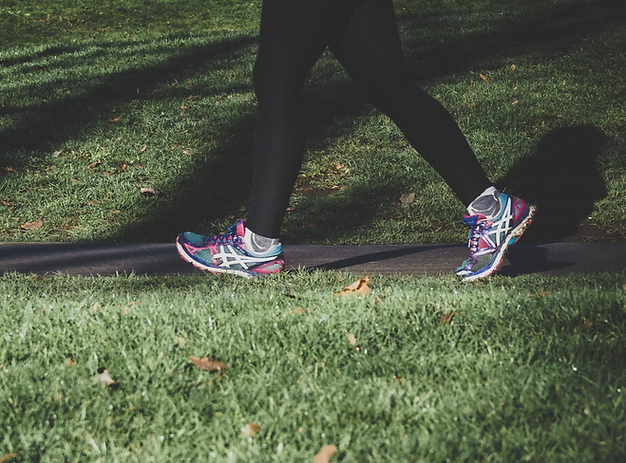
With Zone 2 exercise, you can exercise longer and still get the benefits. It isn't a quick fix. Changing your heart can take months or even years. So find something you can do regularly for a long time. My personal favorite is walking... in the park along tree-lined streets, benefiting from the calming and immune-boosting aerosols that trees emit, the distraction of shifting focus (which helps decrease stress), while interacting with people and dogs. :))
Aim for 150 minutes a week and for at least 20 minutes straight because it takes time for your heart rate to increase.
What are the benefits?
Mitochondrial Biogenesis and Efficiency
One of the primary reasons cardiologists recommend Zone 2 is its ability to build new, healthy mitochondria - the energy centers in our cells. This type of exercise teaches the body to become more efficient at using fat as a fuel source, essential for sustained energy and cellular health.
You're also clearing out more old dead, malfunctioning mitochondria, leaving high-quality mitochondria. Low-quality mitochondria are associated with insulin resistance, which comes with Type 2 Diabetes and Metabolic Syndrome. (Read more about Metabolic Syndrome in this blog post.)
Insulin sensitivity is how well your cells respond to insulin. When your blood glucose levels spike after a meal, your pancreas releases insulin. Insulin opens the cells so glucose can move in for energy or storage. Insulin sensitivity means the cells aren't opening; this leads to the higher blood glucose and insulin levels associated with Type 2 Diabetes.
Your body uses more of your blood glucose when exercising compared to when you're sitting still. Walking after a meal is a great way to prevent glucose spikes. The exercise requires energy to fuel your muscles, and the glucose is used immediately for your muscles.
Zone 2 can reshape your heart. The chambers get bigger and thicker, so they can hold more blood, making the heart beat more efficiently.
Zone 2 exercise increases your breathing rate, which helps you rid your body of CO2 while bringing in more O2 for your muscles. There is a measurement called VO2 max that indicates how fit you are. It is the maximum amount of oxygen your body can use at once. Zone 2 increases your VO2 max. Those with a higher VO2 max live longer.
🌿 Natural, Organic, Plant-Based Support for Recovery and Metabolism
Holistic solutions can further support your metabolic goals and manage the stress of exercise. Certain herbs are known to support mitochondrial health and energy production, providing a natural boost to your cellular efficiency.
Our Benjamin Button Got His Groove Back tincture is a vital addition to your Zone 2 exercise routine because it provides comprehensive metabolic and recovery support. Features organic ingredients like Fo-ti and Gotu Kola, revered for promoting vitality, stamina, and healthy circulation while Ganoderma Lucidum/Reishi manages oxidative stress and contributes to the cellular health. Rhodiola enhances endurance performance, while controlling inflammation and muscle damage. Japanese Knotweed provides additional antioxidant properties that help maintain youthful vigor and robust physical vitality. This synergistic approach ensures that your cells stay refreshed and energetic, allowing for better performance and a more fulfilling, active lifestyle.
Our Reishi Mushroom Blends
Our range of mushroom tinctures (including Reishi Maintain with Chaga, the Turkey Tail and Reishi Blend, and the Nerve Blend - Reishi and Lion's Mane) provide support for Zone 2 exercise by targeting recovery and metabolic efficiency. Reishi acts as a "recovery hero" by reducing oxidative stress and inflammation, allows for deeper restorative sleep. Chaga complements this by offering potent antioxidant protection that shields mitochondria from free radicals, while Turkey Tail supports immune resilience and has been shown to improve insulin sensitivity and exercise performance. Additionally, Lion's Mane addresses the mental demands of consistent training by enhancing focus and delaying fatigue. Together, these functional mushrooms create a synergistic effect that helps the body adapt to new exercise routines, supporting both the immune system and cellular energy production for long-term health.
CBD is frequently used by athletes to manage the secondary effects of training, such as joint stiffness from inflammation, poor sleep quality, and muscle recovery. It interacts with the endocannabinoid system to promote systemic balance. It's also great for stress management, which contributes to weight gain. (Read this blog post to learn more about how cortisol effects metabolism.)
Our Ashwagandha Tincture: Ashwagandha is a potent adaptogen that enhances Zone 2 exercise by significantly improving cardiorespiratory endurance and aerobic capacity. Research indicates that it can boost VO2 max, facilitating better oxygen utilization during sustained, low-intensity training. It also helps regulate cortisol levels and reduce systemic inflammation, which supports faster muscle recovery. By promoting mitochondrial health and improving sleep quality, ashwagandha ensures the body can efficiently repair and adapt to the metabolic demands of longer exercise sessions. These collective benefits help practitioners build lean muscle mass and endurance while minimizing stress.
REMEMBER TO SIGN UP TO JOIN US FOR A RETREAT AT THE MAGNIFICENT MILDRED'S LANE!
July 20-29, 2026 |
A meditation retreat Mildred’s Lane style, Being–WELL–Beings integrates embodied awareness practices and the landscape. The session unfolds as a series of overlapping workshops led by artist Hope Ginsburg, transdisciplinary choreographer Sara Smith, herbalist and fiber artist Donna Cleary, and their invited collaborators, each of whom guides practices connecting individual, communal, and ecological well-being. Hope draws on the collaborative Meditation Ocean project to offer silent sitting and floating meditations, with opportunities for check-ins about creative work. Sara brings a focus on sensory-awareness, with physical attunement practices grounded in eco-somatic and scientific understandings of physiological systems. Donna reveals knowledge held by the stems, leaves and roots of Mildred’s Lane, inviting us into healing relationship with plants through the legacy of Irish Hereditary Herbalism. The “well-being” in this session is relational, formed by ideas of distributed consciousness, multispecies interdependence, and reciprocity. Prior experience with any of the above practices is welcome but not required. Mildred's Lane Inc.The Mildred Complex(ity) Project Space & Annex Both on Main Street, Narrowsburg, NY 12764 Mildred’s Lane – Pennsylvania Site is just across the river and deep in the woods. Contact us:complexity@mildredslane.org | @mildredslane Mildred's Lane Inc., Box 454, Narrowsburg, NY 12764, United States |
Use the discount code: Zone2 to receive 10% off your next order. Good through July 14th.


Comments